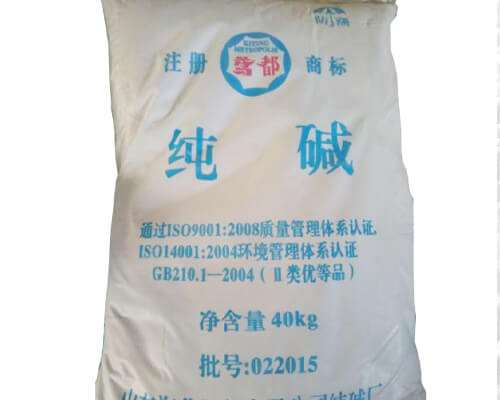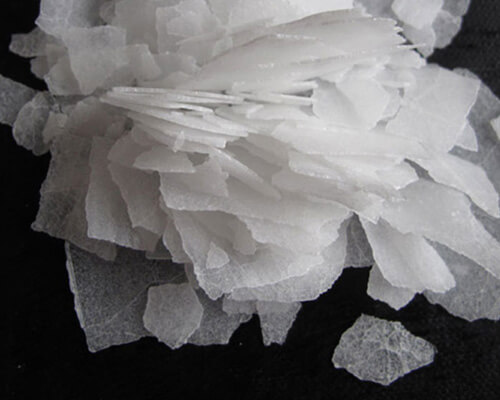
Shandong Haihua Import and Export Co., Ltd.

Shandong Haihua Import and Export Co., Ltd. stands out in the world of chemical exports from China, representing a bridge between domestic producers and overseas markets. Based in Shandong province, this company has become emblematic of the rapid expansion of China’s chemical industry over the past thirty years. My early career involved trading with several firms in northern China, and I saw firsthand just how quickly companies like this moved from exporting small shipments to handling freighters loaded with thousands of tons of industrial chemicals every month. Their story mirrors the transformation of China into a global leader in supply chains for industries ranging from detergents to food processing and construction.Sourcing from a region famous for its soda ash and salt chemical base, Shandong Haihua has helped shape how countries outside China access chlor-alkali products, sodium carbonate, and various raw materials. In some factory towns near the coast, communities have worried about water safety and air quality. I remember a visit to a town south of Binzhou, where locals expressed concern over how chemical run-off might change the soil and crops. Their worries aren’t out of place. Large-scale chemical production brings real risk. International buyers often press for stricter quality controls and traceability of origin, especially since major recalls and accidents in the industry can cause global ripples. Progress gets made when exporters commit to long-term, transparent relations with supply chain partners, not just chasing short-term profit. In conversations with environmental advocates, I’ve learned that open reporting and local engagement can help address these challenges. Regulation, while sometimes patchy in coverage, still forms the basis for higher standards in operations.For many years, global buyers trusted big European names when sourcing chemicals, but the last decade turned that idea upside down. Companies like Shandong Haihua pushed hard to gain access to foreign markets, securing the necessary permits and certifications demanded by trading partners in Asia, the Middle East, and beyond. The best importers I’ve met look at more than price per ton. They want documentation covering purity, production date, and factory address. Auditing these supply lines gives confidence that what’s delivered matches the paperwork, reducing disputes and shipping bottlenecks. My own background dealing with chemical shipments taught me that a missing certificate or a batch mislabel can delay customs for weeks, sometimes leading to losses that nobody can afford.Shandong Haihua’s presence in Shandong province brings jobs and steady wages to an area that once relied mainly on fishing and small-scale farming. During a weeklong visit to Yantai a few years ago, a group of plant workers told me how steady employment let them send their kids to college. These jobs don’t just fill pockets; they also spur local businesses, like cafes, machine repair shops, and logistics operators. But the company’s influence goes beyond payroll. Training programs, health insurance, and opportunities for promotion can lift a family for generations. That said, as more families move into the region for work, local planners need to match this growth with infrastructure—schools, clinics, and safer roads.Moving chemicals across borders is never a simple affair. Exporters like Shandong Haihua have to follow a thicket of regulations in both home and destination countries. International disappointment can land fast if a batch arrives contaminated or poorly packaged. Over the last ten years, much of the feedback from overseas buyers pointed to problems with labeling accuracy and improper documentation. Tough lessons resulted in better packaging lines and clearer risk warnings, especially for hazardous freight. Workforce training plays a huge part here. One season of mistakes can lose contracts for years. Also, digital tracking and container barcodes mean mistakes are harder to hide nowadays—a real benefit for everyone, including consumers down the line.Companies shipping chemical products bear a heavy responsibility, not only to customers but to workers and the local environment. Sitting across the table from buyers in France and Brazil, I’ve heard repeated demands for greater use of renewable energy in chemical production and more accountability over emissions. Shandong Haihua has an opportunity to set higher standards by investing in clean water technology and working with local government to publish emissions data. Factories can partner with downstream users to recycle waste and lower transport emissions by using rail and shipping instead of trucks for long hauls. Change won’t come overnight, but every step toward cleaner and safer production helps build trust at home and abroad.As the global economy keeps shifting, chemical suppliers sitting at the intersection of old industry and modern trade hold real power to shape safer, more balanced markets. Shandong Haihua represents both the promise and the risk of rapid industrialization. By adopting higher standards, investing in people, and taking environmental responsibility seriously, chemical exporters can deliver real value—not just to shareholders, but also to workers, neighbors, and trading partners worldwide. For every ton shipped, it’s worth asking: does this trade contribute to a stronger, safer, and more open global community?
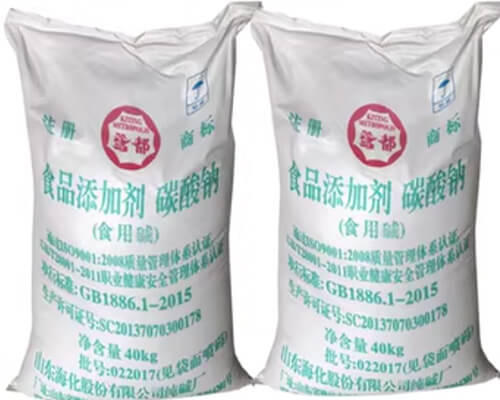
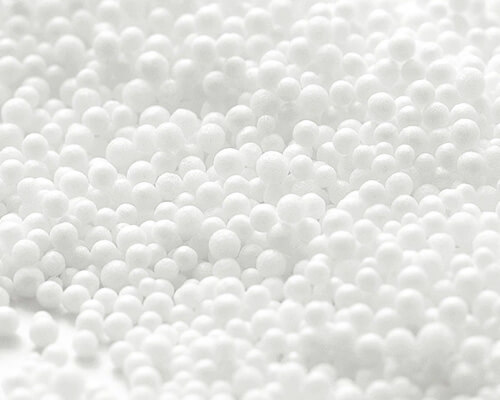
Shandong Haihua Company Limited: Renowned Manufacturer of Yuandu Brand Soda Ash

Growing up in a small industrial city, one grows used to hearing words like “soda ash” on chilly mornings as workers gather on their way to the plant. Folks don’t often talk about where that white powder ends up, but the truth is, soda ash has roots that stretch beneath much of ordinary daily life. Glass for our windows, bottles lined up in shops, cleaners that tackle the grime on old tiles—these depend on factories like those run by Shandong Haihua Company. Once you realize how many ordinary comforts draw life from basic chemicals, you start to see industry in a different light. People like to separate the concept of “industry” from their daily routine, but soda ash ties it all back together, invisibly connecting farmer, shop owner, and city kid. I remember my uncle, who spent decades working in a glassworks, explaining that if soda ash shipments slowed down, everything—or so it seemed—began to falter. Production schedules would slide, local delivery trucks sat idle, and the community somehow grew tense. Companies like Shandong Haihua, especially with well-known brands like Yuandu, act as unseen gears in larger machinery, pushing forward jobs and commerce. This reach isn’t confined to the workplace. It spills out across farmers who need fertilizers, construction crews laying roads, and families who depend on affordable consumer goods. Soda ash becomes invisible, yet vital, infrastructure not only for a city but for far more lives than most realize.Communities near chemical plants experience both the benefits and the burdens up close. Good jobs and steady paychecks fill wallets, but neighbors sometimes wonder about air and water quality. Information travels slowly unless companies step up with transparency and accountability. After years seeing how lack of openness fosters rumors and distrust, it feels clear—companies with strong reputations, large markets, and respected brands owe it to employees and neighbors to follow strict environmental safeguards. Sharing real, timely data about environmental impact, investing in waste treatment, and modernizing equipment can help ease worries and build lasting trust. People want clear signs that the companies they depend on are protecting what matters most—the safety of families and local rivers or crops.In years past, soda ash might have seemed interchangeable no matter where it originated, but stories from buyers show that reliability and quality make a difference in real-world terms. Factories find comfort working with companies that have proven records, dedicated research teams, and robust logistics. When workers know they’ll have regular hours thanks to steady supply, families gain the stability to send kids off to school or invest in small businesses. For me, it has always felt reassuring to see local industry leaders step forward after tough moments—either natural disasters or market shocks—and help their region get back on its feet. A company’s real value shines brightest outside the polished halls of corporate headquarters, in the ripple effects on real lives across regions that depend on strong, resilient local economies.For a company hoping to sustain leadership in sectors as unpredictable as basic chemicals, listening matters just as much as technical expertise. Taking time to meet with worker representatives, inviting local voices into site tours, or opening up research partnerships with universities goes further than a dozen marketing statements. Over years, these relationships can anchor communities against rapid outside changes. Investment in cleaner technologies and support for worker training programs ensures a broader slice of society benefits from industrial growth. My experience has shown that the best-run companies are the ones that treat dialogue not as compliance but as a chance to learn. Meeting the needs of a twenty-first century economy means building products well, but also weaving positive impact directly into the lives around the factory—streamlining shipping, cutting down pollution, and supporting workers not just on the line, but across their whole lives.

Shandong haihua calcium chloride msds

The real test of workplace safety starts not with fancy guidelines, but with folks on the ground facing chemical sacks and tanks every day. Shandong Haihua, already a major calcium chloride producer, ships this stuff by the ton around the globe. For many of us who have worked around industrial warehouses or in road maintenance, that white flake ends up part of everything—from dust suppression to thawing out frozen concrete. The Safety Data Sheet (MSDS) exists to help people actually using it understand what they’re dealing with, not just stick a compliance box for legal reasons. Too often, workers treat the MSDS as a pile of paperwork to be filed, but I’ve seen firsthand how crucial it is once somebody gets splashed or spills a bucket. Calcium chloride isn’t as wild as strong acids or flammable solvents, but it will burn and irritate skin if you forget gloves or get too casual. The fine print spelling out safe handling, storage, and what to do if it gets in your eyes actually matters, especially during a 12-hour shift. Too many companies figure folks can “just be careful,” but accidents prove otherwise. No one in the chemical sector wants to see their team injured. Experience tells me that injuries often trace back to a mix of rushing, unclear instructions, and everyone trusting that someone else read the manual. Putting the Shandong Haihua calcium chloride MSDS where anyone can actually read it—preferably posted next to storage—makes a difference. I’ve worked with guys who laugh off safety sheets, but even they admit that remembering to rinse your eyes soon as you get splashed can be the line between a quick sting and a trip to the ER. Proper gloves, face shields, even simple hand-washing stations—these steps might sound obvious, but they make or break a day’s work. Sometimes, people get numb to hazard warnings, especially over common chemicals like calcium chloride. The numbers support that attitude leads to small accidents piling up and bigger incidents down the line. According to work injury reports, most chemical burns and slips come from secondary exposure or using the wrong clean-up method, not from a direct pour.Calcium chloride loves water. Left out, it will suck moisture from the air until you have a sludgy, caustic mess. I’ve seen improperly sealed drums become solid blocks of hard cake, which then clog spreaders or jam mixers. Storage instructions in the MSDS point out the basics: keep it dry, separate from incompatible materials, use sturdy packaging. In real warehouses, space and organization often win out over strict segregation. That’s when batch labeling, color-coded bins, and regular walk-throughs count. On the road, truckers hauling Shandong Haihua’s calcium chloride need clear spill instructions, not just abstract “in case of contact” language. I’ve driven routes with nothing but a jug of water and a rag—hardly enough for a sizable spill. Cargo teams and logistics managers benefit when they actually learn from the safety details, not treat them as a nuisance. Fleet records show that when drivers get basic hazard training, spill rates for corrosive cargo drop, mainly because people know how to react instead of freezing up.Calcium chloride doesn’t stay put. I’ve watched it run off freshly treated roads straight into ditches, especially after heavy rain. The MSDS highlights how it can mess with soil and aquatic life if not managed. Environmental folks raise real points about chloride accumulation and its ripple effects down the line. From my own winter seasons running road crews, the choice boils down to immediate safety versus long-term environmental stress. Besides following application rates that experts recommend, investing in improved spreading technology pays off. I’ve seen towns save both money and environmental headaches by switching to pre-wetted mixtures, which use less product but keep roads clear. Cleanup after a spill—whether on a factory floor or the side of a truck—demands more than just sweeping it under the rug. The MSDS, when followed, lays out plans for containment and dilution, not just disposal. Local governments have started demanding better tracking and seasonal planning because public trust takes a hit when wells or streams start turning brackish.The MSDS is a tool, not a shield. Training shifts from rare events into a daily expectation can shift how any crew handles calcium chloride. People learn best with hands-on practice: I’ve found that repeated, scenario-based drills with the actual gear—eyewashes, spill socks, PPE—stick longer than thick binders of instructions. Shandong Haihua’s product, backed up by solid translations and detailed risk guidance, supports those efforts only if supervisors lead by example. Too many times, the wrong attitude at the top filters down, with workers cutting corners because they see management doing the same. Proper literacy support and visual guides at points of use can bridge the gap for workers whose first language isn’t Mandarin or English. Companies serious about safety design buddy systems and reward reporting hazards, not hiding them. Real improvement shows up not in lower annual report numbers but in less time lost to minor injuries and fewer emergency department calls.Producing and shipping vast loads of calcium chloride signals economic growth, but it raises stakes for worker welfare and local environments. True responsibility takes root once management stops treating safety as a little box to tick and starts looking at each MSDS as lived instructions. My years in the field say it straight: take the risks seriously, invest in gear, devote dollars to regular training, listen to local feedback, and treat the document less like a chore and more like a living, breathing agreement between company, worker, and community. New government rules and market pressures push producers like Shandong Haihua to improve transparency, not just out of goodwill but because buyers and regulators keep asking tougher questions. Each updated MSDS can spark better behavior if teams actually engage with it—not just the day a big load arrives, but every shift after, until safe and smart work becomes the new normal.

Haihua Industry Group Limited: Leading Supplier of Soda Ash

Take a quick glance at the products used daily — glass in windows, detergent for laundry, paper on the desk. Soda ash stands behind much of it. It’s the element people rarely see but rely upon constantly. At the heart of many industries, this basic chemical helps turn raw materials into something useful. Very few folks realize that without a steady, high-quality supply, manufacturers would scramble, and consumers would pay the price. Having watched supply chains buckle during global disruptions, I’ve gained a lot more respect for the companies able to deliver basic inputs reliably at scale.Haihua Industry Group Limited has spent years building a reputation as a leading soda ash supplier. In chemical markets, trust grows from consistency, not fancy branding. When a factory runs glass, it can’t afford downtime waiting for raw material. Consistent delivery times and product quality make the difference between smooth operations and costly delays. Reports show that China still holds the lead in sodium carbonate production, and Chinese firms now reach customers around the globe. Centers like Weifang, where Haihua operates, have expanded thanks to large natural brine resources and logistical advances. From speaking with engineers managing large-scale production lines, I know the smallest slip in raw material quality can shut down multimillion-dollar facilities. Companies like Haihua earn their stripes through the simple act of being dependable, year after year.Heavy industry faces tough questions about environmental impact. Traditional soda ash production uses resources and generates waste. Markets in Europe, North America, and Asia have called for cleaner processes, and the pressure doesn’t let up. Chinese manufacturers, including Haihua, meet increasingly strict regulations at home, which pushes them to rethink everything from waste water to energy consumption. I remember a tour through an updated facility in Shandong where investments in energy recovery impressed even hardened skeptics. These developments come after years of public debate and government intervention. Environmental groups track everything, so innovation isn’t just a nice-to-have; it keeps major contracts in play. The road from government mandate to technological upgrade isn’t always smooth, but there’s no denying that advances in brine management and closed-loop systems today exist partly thanks to that pressure. Bottlenecks still exist in places with outdated infrastructure, yet firms that lead here set themselves up for long-term gains, not just compliance.Price often takes center stage, but for big buyers, supply reliability wins deals. In the past, buyers shuffled suppliers to shave cents off per ton. Global crises showed how dangerous this game can get. I’ve spoken with procurement managers who said delayed shipments created months of headaches, even in sectors that once relied on just-in-time delivery. Companies like Haihua respond by shoring up logistics: investing in better storage, integrating port operations, and training local teams to spot issues before they get big. With nations looking closer at strategic industries, the ability to guarantee shipments even when ports clog or routes close sets suppliers apart. That’s one reason why customers large and small hedge their bets with trusted players — they remember who delivered during the tough times.Clients expect honesty, technical expertise, and real problem-solving from their suppliers. In practice, demands for different grades of soda ash, tailored for glassworks or chemical plants, force suppliers into real partnership. On more than one occasion, engineers have described long conversations over product sampling and troubleshooting. This back-and-forth actually builds relationships that outlast market price swings. As green technology grows, demand changes again. New battery technologies, enhanced fiberglass, specialty detergents — all look for soda ash with tighter purity and specialized handling. Those suppliers who maintain deeper labs and real customer engagement hold their edge. Without a human element and strong technical dialogue, even the largest producer risks being cut out for someone more adaptable.As governments worldwide talk about decarbonizing industry and achieving supply chain safety, suppliers cannot rest. Many importing countries aim to build their own production capacity, but the barriers in capital and know-how stay high. So, players like Haihua find new opportunities as partners in international joint ventures, training programs, and technology upgrades. Watching the slow shift toward green chemistry in Europe — with mandates for circular economy and lower emissions — I see that suppliers who embrace these challenges win bigger contracts and more loyalty. Companies able to trace every step of production, transparently report emissions, and adapt to both regulation and shifting demand will shape market rules for years to come.I’m convinced that companies last longer when they invest in their people and local communities. In regions like Shandong, industrial growth outpaces social infrastructure. Firms like Haihua recognize that skilled workers tighten processes and boost quality, while stable jobs improve local economies. Outreach to schools, training programs, and worker safety upgrades do more than satisfy audits; they set cultural standards. Seeing workers stay with a company for decades tells you more about trust and reputation than any ad campaign. For large suppliers, nurturing talent and earning community goodwill strikes me as a crucial edge in an industry where new entrants face fierce local resistance.There’s no sense pretending that all problems are solved. Environmental waste, energy use, and supply chain fragility don’t disappear overnight. Tracking global movements, I think the next step for leading firms must involve smarter recycling, integrated digital monitoring, and cross-border research. It’s not enough to just follow rules; suppliers must invent tools for lower-energy processes and less polluting production cycles. For some, partnering with universities or global agencies unlocks faster breakthroughs. For others, adopting sensors and tracking technology reveals hidden pockets of waste or inefficiency. From my experience watching companies adapt, those who put genuine effort into improvement — and stay transparent about both progress and setbacks — outlast the competition.As basic as soda ash sounds, the work behind the scenes shapes far more than factory floors. The choices of major suppliers like Haihua ripple through supply chains, labor markets, and environmental progress. In times of uncertainty, the value of reliability, innovation, and local investment stands clearer than ever. There’s real room for leadership both in business and in the responsibility to do right by workers, communities, and the planet.

Haihua Industry Group China: Professional Manufacturer of Caustic Soda

Standing inside a chemical plant in Shandong a few years back, I remember the pungent smell in the air and the steady stream of busy workers going about their tasks. One common thread in their work, whether making paper or prepping raw foods for processing, was caustic soda. Most people never think about where their paper towels, soap, or even drinking water come from. Yet so much of it leads back to caustic soda. The stuff seems simple—just sodium hydroxide—but the real story is all the ways it keeps global supply chains ticking.China’s status as the world’s factory comes up often, but inside that machinery, you find companies like Haihua Industry Group playing a major part. They don’t show up on household labels, yet without them, products don’t leave the plant, cleaning operations face higher costs, and water doesn’t get as clean. Caustic soda serves as the workhorse in producing aluminum—where it strips away the unwanted parts of bauxite before smelting. It transforms greasy fats into soap, making both hygiene and industrial cleaning possible at scale. Textile producers rely on it to treat fibers so they hold dye better and come out smooth to the touch. And municipalities depend on it to neutralize acids in water before it reaches your tap.When I talk with older engineers in the chemical sector, one recurring theme comes up—trust. Chemical plants run with high stakes. If you receive a sub-par batch of caustic soda, machinery corrodes faster, unexpected reactions turn into expensive downtimes, and people’s safety sits at risk. Trace contaminants in an industrial chemical sometimes seem minor on paper, but over months or years, they inflict damage that costs companies and towns dearly. The right supplier doesn’t just drop off pallets; they build long-term partnerships. A manufacturer like Haihua Industry Group has spent years convincing industries across Asia, Africa, and even parts of Europe that their consistency holds up under scrutiny.I’ve visited storage sites where safeguards for chemical cargos didn’t always match up to best practices. You learn there that strong safety culture starts with quality assurance at the point of manufacture. Experienced chemical companies build trust through both strict compliance with standards and offering support to buyers. For Haihua, this starts at the plant and stretches across oceans by maintaining quality throughout storage, shipping, and delivery. Their investments in continuous process improvements and documentation—plus strong engagement with clients—encourage more transparency and fewer surprises down the line.Regulations continue to tighten worldwide, especially on hazardous chemicals. From my past reporting on the chemical industry, I have seen how sudden regulatory changes can throw factories into chaos. Global producers now scramble to balance environmental protection with the need for efficient operations. Chinese chemical manufacturers, constantly watched by both national and regional authorities, rely on modern facility upgrades to cut emissions and manage waste. With caustic soda production, anything less than state-of-the-art pollution control can cause local damage—discharging caustic liquids or dust means risking both fines and public backlash.Addressing these industry pressures pushes established players like Haihua Industry Group to update their technology and train their staff. I’ve spoken with plant operators who remember the days before regular emissions monitoring, and the improvements are hard to ignore. Not only has this drive for cleaner techniques reduced harm in factory neighborhoods, it also gives responsible manufacturers an edge when supplying to multinational brands demanding traceability and environmental compliance.Supply disruptions over the last several years shook confidence across markets. COVID-19 forced companies to look twice at who supplies their foundational chemicals—not just the final goods. Two years ago, a contract manufacturer in Southeast Asia I interviewed reported severe production delays due to missing caustic soda shipments. The loss didn’t just hurt that company; it had ripple effects through food packaging and water treatment in the whole region. In such times, buyers remembered suppliers like Haihua who held up their end of the bargain—not just in capacity, but by communicating clearly during delays, sourcing alternate routes, and coordinating far beyond transactional deals.Building resilient chemical supply chains isn’t just about physical stockpiles. It takes shared data, transparent sourcing, and direct lines of communication from producer to user. One positive shift over the last few years has been customers getting involved in supplier audits—visiting plants themselves or commissioning outside experts. Manufacturers who open their doors to scrutiny rarely have something to hide. Those connections, built patiently over time, keep entire sectors afloat even under stress. From my own experience covering export logistics, reliable supply of caustic soda proves as important as energy, shipping lanes, and access to skilled workers.People often think chemicals never change, but modern innovation shows up most clearly in places like caustic soda plants. I’ve stood inside facilities combining digital monitoring, automated mixing, and complex purification steps—all with teams ready to trace any problem at the source. Companies like Haihua take pride in meeting stricter certification programs and sharing performance data with their customers. These aren’t just checkboxes; they’re lived realities in every plant tour.Upgrading infrastructure has another positive side: it draws and keeps talent. Younger chemical engineers and plant operators want safe, clean, and well-organized workspaces. Visiting a plant that runs on outdated tech drives away the next generation, while modern operations attract skilled workers who build on the progress of those before. The march forward in places like Haihua’s sites signals that China’s manufacturing base won’t stagnate. If competition drives constant improvements and pushes health, safety, and environmental standards higher, global industries end up with stronger partners—not just in China, but wherever chemicals like caustic soda play a pivotal, if quiet, role.The world faces a future shaped by both demand for more manufactured goods and calls for tighter environmental controls. In the thick of that challenge, industries need chemical producers who own up to their impact and invest to reduce it. From every conversation I have with buyers and industry insiders, two themes rise above the rest: accountability and partnership. Chinese manufacturers like Haihua have built a position through discipline, scale, and reliability, but their ongoing investment in better technology and openness to inspection points toward a more sustainable way forward.For those on the front lines—plant workers, engineers, environmental inspectors—the story of caustic soda production is not just about filling orders. It’s about protecting both workers and environments, maintaining trust, and delivering the backbone products that keep daily life running smoothly everywhere from food factories to water plants. My own look into this sector taught me how crucial these connections between global buyers and committed, forward-thinking producers have become. The decisions Haihua and their peers make ripple far beyond their own operations, shaping how entire countries deliver clean water, good jobs, and modern conveniences in the years ahead.

Haihua Trade Group Co., Ltd.

Stories about chemical trading firms might not get people talking at the dinner table, but companies like Haihua Trade Group Co., Ltd. play a bigger part in our daily lives than most realize. I've walked through ports and warehouses that buzz with workers moving bags of industrial salts, big drums of acids, and pallets packed with fertilizers, all because demand for these basic chemicals never goes away. The way logistics and sourcing work at Haihua isn’t just about moving compounds from A to B. The company is wired into the world economy, and disruptions ripple out farther than most imagine.There’s a lot of chatter online about traceability, trust, and supply transparency. These matter, but at ground level, experienced traders decide futures for farmers who rely on fertilizers, factories that use sodium carbonate in glass production, and countless small businesses that depend on affordable inputs. Chinese chemical exporters set a tone that shapes prices everywhere. Haihua, with decades in the industry, impacts how people from Africa to Europe buy the chemicals that make their livelihoods possible. It’s not easy work. Mistakes can lead to rejected shipments or supply gaps—both with serious knock-on effects for jobs and food security.Chemicals don’t have the best reputation. Plenty of headlines have linked industrial chemicals with pollution or accidents, often for good reason. Governments keep tightening regulations and watchdog groups push for safer handling of everything from the way companies dispose of waste to the paperwork that follows each shipment. Haihua faces the same regulators and must invest in compliance, not just to satisfy documentation requests, but to avoid real harm. Having toured inland facilities in Shandong, it’s clear that many Chinese firms now know they can either clean up or see their licenses pulled. It costs money to upgrade equipment and retrain workers, but this investment protects their export market, and ultimately the welfare of people who live nearby.Cheap supply from large companies like Haihua can level prices for buyers, but it keeps competitors on edge in other countries. Local suppliers sometimes struggle to match Chinese prices, growing anxious when government contracts tip overseas. I have seen how small factories in Eastern Europe, once thriving with local orders, struggled to keep up after shipments from big Chinese exporters hit main distribution routes. The conversation doesn’t end at economics. Job loss in one region trickles down to lower spending and strained communities. Those benefits buyers in one market enjoy often come at a cost elsewhere.Logistics leaders will tell you that nothing stands still in this industry. Supply chains adjust every year, whether because of a border closure, tariffs, or stricter environmental checks. Haihua’s adaptation tactics could offer lessons: fostering relationships with reliable shipping partners, storing stock closer to buyers, planning for weather disruptions, and responding quickly to customs changes all help keep essential goods moving. In my own work traveling between Asian industrial zones and European port cities, staying ahead depends on constant networking and understanding both sides of the supply equation. Simply relying on old buying relationships or ignoring the impact of delays spells trouble. The rapid pace at which chemical companies must adjust makes this sector a barometer for global trade resilience.The conversation about firms like Haihua Trade Group Co., Ltd. stretches beyond spreadsheets. Leaders in the chemical trade get measured by how they handle environmental standards, treat their workforce, and work with local authorities. Trust is earned through transparency and long-term consistency. If companies cut corners, word spreads quickly and buyers look elsewhere. But those willing to invest in cleaner fields, safer warehouses, and more honest paperwork set themselves apart. The industry changes shape with every new rule. Responsible players have room to grow and hold ground in tough markets.People with a stake in chemical trading—whether they are buyers sourcing raw materials, local officials setting policy, or workers loading cargo—follow each shift with interest. More emphasis now falls on sustainability reporting, carbon tracking, and digital supply chain management. Watching sustainability tech blend with basic chemical logistics reminds me how every sector faces the challenge of modernization. Haihua and its peers face hard choices about profit, speed, and standards. Keeping the world supplied with essentials never feels finished, and the way these decisions play out will shape the cost and availability of finished goods in faraway markets for years to come.