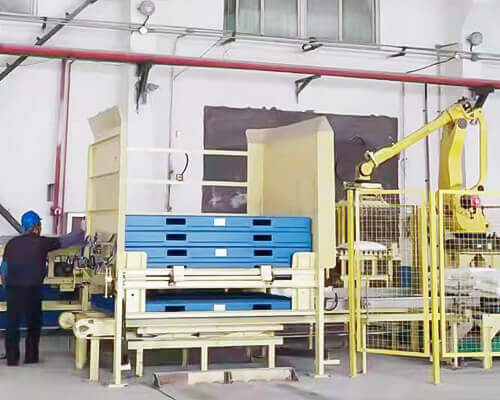
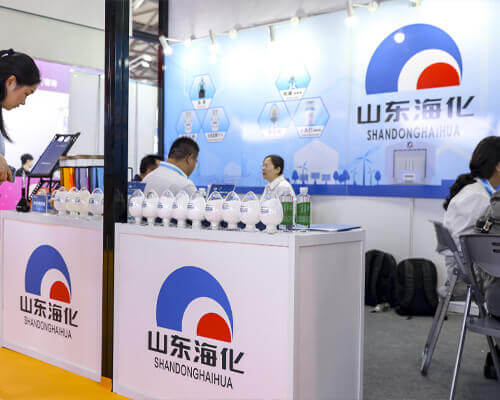
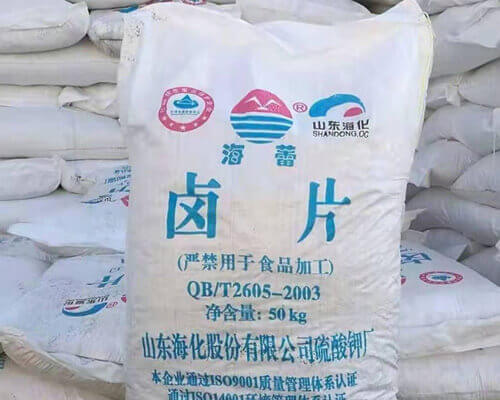
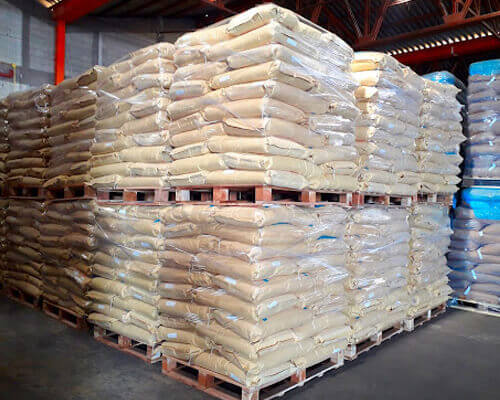
As a core production unit of Shandong Haihua Group, Shandong Haihua Co., Ltd.'s soda ash plant, with an annual soda ash production capacity of 2.8 million tons, ranks first among domestic synthetic alkali producers, accounting for approximately one-tenth of the national total capacity. It is a leading single-plant synthetic alkali manufacturing base globally.The plant, formerly known as Shandong Weifang Soda Ash Plant, was established in 1983 as a key national "Seventh Five-Year Plan" project and commenced operation in 1989. After years of technological upgrades and capacity optimization, it now has two production lines, one new and one old, employing the industry-mature ammonia-soda process to stably produce light soda ash, heavy soda ash, and food-grade soda ash. Its products are widely used in key sectors of the national economy, including building materials, chemicals, metallurgy, printing and dyeing, and food processing.Leveraging its coastal location and abundant brine resources, Shandong Haihua Soda Ash Plant has continuously promoted intelligent transformation and green, low-carbon upgrades. It has been successively awarded the titles of National Green Factory, Energy Efficiency "Leader" in Key Energy-Consuming Industries, and "Good Products Shandong" Brand Enterprise. Many of its process technologies and energy-saving indicators are at the advanced level in the industry.Currently, the company is accelerating the upgrading and energy-saving environmental protection transformation project of its soda ash plant, with a total investment of 4.837 billion yuan. Through process iteration and equipment upgrades, it will further improve energy efficiency, reduce overall energy consumption, consolidate its scale advantage and technological leadership in the domestic synthetic alkali field, and provide solid support for the high-quality development of my country's soda ash industry.
Shandong Haihua Company Limited specializes in the stable production and global supply of high-quality food-grade and industrial-grade sodium bicarbonate (NaHCO₃, baking soda). Backed by advanced production lines, strict quality control and mature manufacturing processes, the company delivers consistent, pure and safe products to serve diverse industries worldwide.Food-grade Sodium BicarbonateIt fully complies with strict food safety standards (GB1886.2-2015), featuring high purity, low impurities and excellent safety. Widely used as a leavening agent for bread, biscuits and pastries, a CO₂ generator for soft drinks and beverages, and a preservative for food processing, it ensures reliable performance for food manufacturing.Industrial-grade Sodium BicarbonateWith stable chemical properties and strong versatility, it is extensively applied in rubber foaming, metallurgical flux, flue gas desulfurization, fire extinguishing agents, textile dyeing and daily chemical cleaning, supporting efficient and green industrial production.Shandong Haihua has passed ISO quality, environmental and occupational health and safety management system certifications. Its sodium bicarbonate products sell well across China and are exported to Asia, Europe, Australia and other regions, earning high recognition from customers for stable quality and professional service. CONTACT INFORMATIONWebsite:https://www.shandong-haihua.net/Phone:+8615380400285Email:sales2@liwei-chem.com
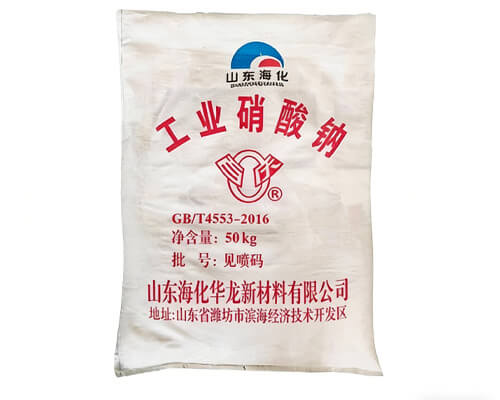
A lot of people never think about where ingredients for fertilizers, food preservatives, dyes, and even medicines come from. These basic substances start their journey in massive factories. Shandong province, home to Haihua Hualong New Materials, plays a huge role in turning simple minerals into fundamental products. Sodium nitrate sounds technical, but real life relies on this fine white salt. It's the backbone in old-style explosives, glass manufacturing, meat preservation, and large-scale fertilizer formulas. Companies like Shandong Haihua Hualong don't just move tonnage—they shape what the world eats, builds, and invents.A manufacturer doesn't just roll out bag after bag of sodium nitrate by chance. Years of science and engineering, fine-tuning raw material sourcing and plant output, sit behind every shipment. In China’s chemical sector, reputation gets built on consistency as much as big numbers. I’ve seen this in client factories, where one mishandled batch ruins trust and costs a customer. Factories in the Shandong region hold themselves to tighter controls, because they know overseas buyers, and even local partners, don’t accept unpredictable product. This mix of pride and necessity pushes companies to keep pace with international standards. When regulators ramped up scrutiny after environmental scandals, Shandong’s chemical operators had to overhaul their waste handling and reporting. Missing out on these targets meant getting cut off from permits or major customer contracts. Stepping into this line of business means you carry responsibility for safety, the environment, and supply chains in a way that supermarkets and smaller suppliers never really feel.Many folks associate sodium nitrate with explosives, fireworks, and old black-powder stories. Industrial reality moves in a different direction. Much more of the material winds up improving soil yields or keeping processed meats fresh on supermarket shelves. Farms across China, as well as major agricultural regions in South America and Africa, depend on these nitrogen-rich salts to restore depleted land and keep up food output. Scientists have warned for years about the downsides—overuse can leach into groundwater, buildup in food stocks. There’s no easy fix; completely walking away from these inputs would leave millions hungry. The companies making and distributing sodium nitrate have leverage to push for balanced, sustainable use and promote safer alternatives—or at least educate their clients on the risks of bad application. Factory-led outreach matters here more than government decree, because the supply chain for farm chemicals still runs through relationships, not just regulation.I’ve watched factories wrestle with the environmental hangover that comes with chemical work. The run-off, the spent water, the massive energy draw—local residents downstream notice when something shifts. Haihua Hualong and contemporaries get judged on their ability to limit leaks, emissions, and avoid those headlines nobody wants to read. The best-run firms don’t wait for complaints but monitor their own footprint using continuous sensors and transparent public reports. Improvements take real equipment upgrades, better safety procedures, and stronger partnerships with local government. Workers get trained and re-trained, not just to hit quotas but to recognize red flags before they spark big problems. These are expensive, ongoing commitments, not quick fixes, but reputations and business longevity depend on keeping the neighbors and the authorities satisfied.China’s status as the “world’s factory” became a cliché, but the country’s leadership in basic chemical production gives it massive leverage globally. When prices spike or supplies run short, companies like Shandong Haihua Hualong become essential middlemen holding the rope in a tense tug-of-war between government policy, economic realities, and customer demands. Years of export leadership didn’t happen randomly. The industry built itself up through relentless investment and a willingness to respond to crises, market shocks, and changing science. China’s domestic market—hungry for safe, affordable fertilizers and food preservatives—pushes these chemical companies to always look for smarter, safer, and greener ways to operate. Pressure from regional trade partners, plus shifting tariffs and compliance rules, means firms can’t coast on old practices. In the last decade, government efforts to clean up the industry forced the leading players to adapt or disappear.The international community keeps a close eye on China’s chemical sector, demanding transparency, cleaner technologies, and proof that environmental claims hold up. Big buyers and certification auditors want to see data showing emissions drops, waste-handling improvements, and water quality checks. Leadership for a company like Shandong Haihua Hualong comes not from size, but from how its practices stack up to the next round of consumer and regulatory scrutiny. I’ve witnessed managers agonize over investments in cleaner production equipment and better worker safety drills, because the payback doesn’t just show up as lower fines or new contracts. It means they can keep staff, maintain community support, and grow exports to regions with tighter requirements like the EU or North America.Conversations about chemicals always circle back to safety, sustainability, and transparency. True progress depends on companies taking practical steps now—not just posting green slogans. That covers installing real-time monitors for emissions and sharing those results, funding farmer education programs about responsible fertilizer use, and keeping local hospitals and emergency services in the loop. Chemical makers who engage with communities—funding health campaigns, supporting schools, and offering site tours—earn real trust. Long-term, the sector thrives by investing in new research for safer formulas and collaborating with universities on better recycling or clean-up technology. Only continuous education and open communication bridge the gap between what factories produce and what society expects. Creating value through cleaner technology and local partnerships will always outlast any simple compliance-driven approach.
Working in the chemical industry, one thing stands out above all: reliability isn’t just a nice bonus, it’s everything. Prices rise and fall, regulatory demands fluctuate, and yet, the demand for everyday essentials—paper, textiles, cleaning agents—never pauses. I’ve seen supply chain chaos more than once, and it’s always the dependable suppliers who help companies weather the storm. Shandong Haihua Chlor-Alkali Resin Co. holds a rock-solid reputation for consistent caustic soda deliveries. There’s no glamour in raw chemical production, only the quiet, repeated proof that product arrives as promised. The loyalty they have earned reflects years of meeting deadlines and quality standards, not through marketing, but through daily performance. Their track record lets major brands plan confidently, cutting down on panic buying or last-minute scrambles that cost time and money.Caustic soda might never grab a headline, yet its absence grinds entire industries to a halt. My experience with plant operations taught me that even minor variations in chemical purity can throw off production lines. One batch out of spec means reworking thousands of dollars’ worth of product, or worse, shutting down equipment for days. I remember a textile mill grinding to a halt because imported caustic soda arrived off-standard—a mess that burned weeks of time and demanded costly fixes. Longstanding suppliers like Haihua know these pitfalls. They don’t treat specs as paperwork; they see them as lifelines for their partners. Delivering quality raw material lets factories run without interruption, translating right to the products consumers pick up at the store. Even the biggest names in pulp and paper owe their smooth output to behind-the-scenes suppliers who take real pride in every shipment.Tough times test relationships. Trade routes get tangled, ports back up, governments tweak import rules, and suddenly companies scramble for critical inputs. During pandemic disruptions, the gap between talk and action widened. I watched companies with resilient partners keep lights on, while others scoured the global market at inflated prices. Shandong Haihua wasn’t flashing advertisements across business journals—they focused on steady supply commitments. Partners remember who helped them out, especially during shortages. That kind of experience runs deeper than any certification or website promise. A dependable source becomes part of another company’s plan for survival and growth, safeguarding jobs and local economies as much as profit sheets.Environmental scrutiny pushes chemical suppliers to rethink processes. Ten years ago, few manufacturers worried about energy use or downstream waste. Today, buyers ask pointed questions about sourcing, emissions, and worker safety metrics. Forward-thinking suppliers need to not only talk clean tech, but show it. Increased automation, better emissions controls, and real-time monitoring cut pollution and safeguard labor. These aren’t cutting corners for PR—they’re about reducing accidents and staying one step ahead of changing laws. Factories large and small need their suppliers investing in safety and transparency because a single chemical spill or outdated process can mean fines, shutdowns, and lasting public distrust. Companies like Shandong Haihua that make tangible improvements, not just promises, will keep their place in a fast-evolving industry.If caustic soda supplies falter, prices jump on everything from aluminum to soap. What’s needed is a two-way street. Downstream customers should send honest feedback quickly, letting producers catch and fix problems before they snowball. At the same time, suppliers must invest in infrastructure, training, and environmental systems that keep operations smooth and compliant. From everything I’ve seen, real improvement happens through open collaboration, not just formal contracts. Mutual trust, continuous updates, and shared accountability drive the reliability that makes industrial supply networks strong. There’s room to grow: real-time digital tracking, joint emergency planning, and more transparent sustainability reporting would benefit every player in the system.New entrants often chase market share with bold claims and cut prices, but over the longer term, knowledge, trust, and proven delivery make the difference between short-lived buzz and lasting customer relationships. Getting raw materials from a supplier like Shandong Haihua means more than ticking a box or closing a transaction. It’s about collaborating with a partner that values safety, quality, and dependability as much as you do. Based on years working with sourcing teams and plant engineers, the best results come from these deep partnerships—where hiccups get resolved quickly and growth comes built on a solid foundation. In times of global change, reliable suppliers don’t just help their customers—they help society keep the basics running. Shandong Haihua’s record shows that such partnership matters more than ever.
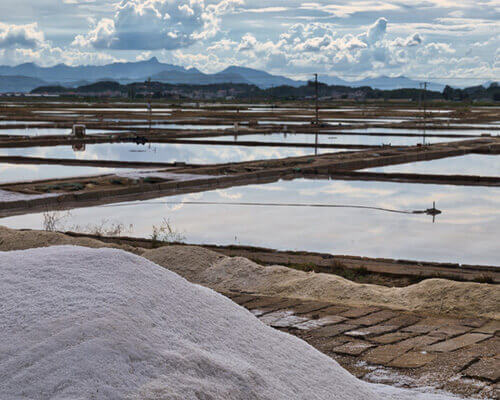
I grew up seeing ice melt scattered on sidewalks in winter, never giving it much thought. It took a job at a local municipal department to recognize the stuff underfoot had a serious story — not just about keeping folks from slipping, but about where these simple pellets come from. Magnesium chloride, the active ingredient behind that gritty sprinkle, makes a difference beyond ice and snow. In factories, on roadways, across agriculture, and even in construction, magnesium chloride stays busy. This salt doesn’t just pop out of thin air; real people and real companies shape it, package it, and ship it around the globe. Shandong Haihua Liwei Chemical Co., Ltd. stands out as a company known for its deep expertise in magnesium chloride. In an industry where many firms chase the next big material or diversify just to keep up appearances, Liwei Chemical sticks to what it knows. They focus their resources, training, and equipment on improving how magnesium chloride gets made and supplied. Years back, as a chemical plant manager, I learned first-hand how one faulty batch of a raw product could throw an entire production process into chaos. Producers like Liwei work hard to keep those errors to a minimum, investing in regular equipment upgrades, quality checks, and keeping close tabs on their supply chains. Most magnesium chloride starts life in giant brine pools, especially along China’s northern coast. From those processed salts, companies like Liwei find their base, and the geography of Shandong gives them an edge — close to the sea and close to roads and rail. In practice, running those vast evaporation fields presents big environmental and labor hurdles. Modern producers should stay ahead on measures to limit waste, manage runoff, and keep emissions low. It’s not only about keeping regulators satisfied. I grew up near a chemical complex, and you hear stories about “legacy pollution” that still scares residents decades later. Community trust stays just as vital as product quality. People forget how wide the applications for magnesium chloride reach. Road crews grab it by the ton to keep highways ice-free in winter. Farmers look for it to address soil deficiencies or replace more expensive salts. Some regions even use it in flake or pellet form to suppress dust along unpaved roads. Cement plants, textile makers, and food processors all use it differently. With that punch list of customers, demand swings up and down depending on the season, weather, or supply chain shocks. I’ve seen winters that ran oddly warm, leading to full warehouses and tight budgets for suppliers. Last-minute storms clear stock in a flash, putting pressure on those who get logistics right. One shipment of fouled or impure product can burn bridges quickly. Genuine trust between producer and buyer depends on reliability. Shandong Haihua Liwei Chemical knows this lesson. They stake their name on delivering batches that meet tight specs, which saves clients time, money, and headaches. In my own experience, a single trace contaminant in a salt product can gum up machinery, set off regulatory alarms, or prompt costly recalls. Those outcomes get expensive in a hurry, especially in industries with zero tolerance for error. Life in the chemical sector never stays calm for long. Trade tensions ramp up, tariffs shift, and there’s always talk about environmental crackdowns. Strict new air and water standards trouble every chemistry-based business. For a company like Liwei, getting ahead means more than just reacting. Investing in cleaner technology, tighter pollution controls, or switching to renewables helps them future-proof their operations and avoid regulatory surprises. Factories that can show lower emissions or smarter resource use attract responsible buyers across Europe and North America. Regulators pay attention to a supplier’s global record before approving imports. Although Shandong Haihua Liwei Chemical leads in many aspects, there’s always more to do. Legacy waste management, rural labor conditions, and adaptation to future environmental mandates remain open challenges. In my experience, top firms drive innovation through partnerships with universities, research institutes, or equipment providers. Building these networks leads to breakthroughs — reducing water use, reclaiming byproducts, or automating dangerous tasks. Sharing those gains with the community remains crucial, especially for companies in regions where the chemical industry has not always built goodwill. For customers and communities, feeling confident about the source of essential products matters. Magnesium chloride may sound niche to those on the outside, but it plays a quiet role in smoothing winter commutes, improving the harvest, and keeping industry humming. Reliable suppliers like Shandong Haihua Liwei Chemical Co., Ltd. earn their position through a consistent record and clear commitment to better practices. In a world where transparency and sustainability increasingly shape buying decisions, keeping those priorities near the top remains more than good business — it shapes the legacy left to the towns and families who live side by side with industry. CONTACT INFORMATIONWebsite:https://www.shandong-haihua.net/Phone:+8615380400285Email:sales2@liwei-chem.com
SINO-BROM Compounds Co., Ltd. steps firmly into the spotlight as a key player in the chemical industry, especially with its role in producing Tetrabromobisphenol A. Not everyone thinks about flame retardants when flipping a light switch or plugging in a laptop. I didn’t either until I took an interest in how modern conveniences stay safe. Tetrabromobisphenol A, known widely as TBBPA, serves as a shield against fire hazards lurking in many plastics and electronic components. SINO-BROM’s leadership means millions of people interact with its chemistry daily, whether they ever know its name or not. Consumers rely on this kind of material science for personal safety, and industries depend on it to meet strict fire protection standards. Those who work inside manufacturing or electronics understand the anxiety that comes with recalls and accidents. Losing trust in a supply of reliable flame retardant can put entire product lines at risk and set off a scramble for alternatives. That experience makes transparent and dependable supply chains even more precious. SINO-BROM shows why stable production and rigorous quality monitoring matter beyond profit margins.Companies operating at SINO-BROM’s scale face pressure on several sides. Governments tighten rules on chemical manufacturing, watchdogs sharpen scrutiny over environmental compliance, and ordinary folks want fewer toxic substances in living rooms and offices. I’ve watched this unfold as stories hit headlines about pollution from factories or workers developing health problems after years in production halls. Tetrabromobisphenol A has seen its share of controversy for potential risks to health and ecology. Some studies suggest links between brominated flame retardants and long-term impacts on wildlife and humans. Genuine transparency becomes a vital sign of responsibility. It’s here SINO-BROM’s commitment can either reassure or raise alarm. Public trust blooms when leaders invite inspection, publish thorough safety data, and engage with regulators in good faith. For any manufacturer, part of earning authority comes from letting outside auditors check operations and report the tough truths. The best companies learn from these checks, invest in updates, and show the public that profits won’t outweigh ethics or worker safety.The world keeps moving, and so do the demands on the chemical industry. Consumers want sustainable solutions and brands free from dangerous substances. My own shopping shifted once I started paying attention to labels and product certifications. Many, especially in Europe and North America, want alternatives to traditional flame retardants, and they won’t accept secrecy from suppliers. SINO-BROM and others face the challenge of investing in research for safer, environmentally friendly products without losing performance. Green chemistry isn’t just a buzz phrase but a long haul, needing real money and fresh talent. I’ve watched smaller startups drive innovation using safer substitutes, nudging big companies to rethink priorities. But the scale SINO-BROM brings can turn these prototypes into widely available materials, lowering risks for society. It comes down to a willingness to make hard changes even if it means thin profits for a while.The reach of SINO-BROM goes beyond borders. Chemical trade links manufacturers in China to smartphone factories in Hanoi, automotive plants in Detroit, and electronics firms in Bavaria. Geopolitics often puts pressure on these networks. As governments wrangle over trade and tech, reliance on any single supplier can cause trouble. A hiccup at a major plant or tightening export controls might cascade globally, affecting prices and slowing innovation. Companies like SINO-BROM need to foster good relationships far from home soil, meeting tough international guidelines and respecting intellectual property standards. Those who sit in boardrooms or negotiate contracts know the daily risks tied to sourcing critical materials from across oceans. Customers benefit when suppliers work openly, offering clear technical support, product traceability, and willingness to solve disputes head-on. There’s no shortcut through real dialogue and a record of keeping promises.Industry giants hold enormous influence and set examples for smaller shops. SINO-BROM can show others what it means to take responsibility for the full lifecycle of chemicals it produces. Real leadership means collaborating with universities for safer formulations, sponsoring research into recycling TBBPA-laden plastics, or joining voluntary agreements to reduce hazardous releases. I’ve seen companies find success by inviting feedback from communities near factories, using technology to monitor air and water, and sharing honest results. The global turn toward sustainable supply chains will ask more from every player. SINO-BROM’s next act could build on its solid track record in delivering volumes and quality by stepping forward as a genuine partner for environmental stewardship and transparency.Safe electronics, modern infrastructure, and responsible industry aren’t causes one company or regulator can handle alone. I’ve learned from following this sector that progress at scale needs everyone—producers, buyers, and everyday consumers—to ask hard questions, pay fair prices for safer options, and reward transparency over convenience. SINO-BROM serves as a benchmark for what’s possible and a reminder of the work still ahead. The journey to safer, cleaner chemistry stands open, shaped by daily decisions inside labs, boardrooms, and living rooms around the world.