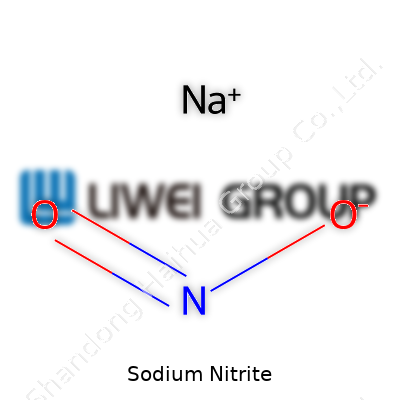
Editorial Commentary: The Tangled Story of Sodium Nitrite
A Glimpse into the Past
Sodium nitrite holds a history thick with chemistry, industry, and sudden changes in our understanding of food and public safety. I see it like an old tool in a workshop: sometimes misused, often underrated. Its first big moments came during the nineteenth century, when German chemists struggled to create efficient ways of making synthetic dyes, fixing meats, and combating what spoiled quickly in hot cellars. Before then, people used saltpeter (potassium nitrate) to cure or preserve food, not knowing sodium nitrite sometimes showed up alongside it. By the 1920s and 1930s, commercial production of sodium nitrite turned into a serious business, especially as food companies and municipal planners grabbed hold of its power. Its role stretches from curing bacon to keeping industrial boilers slug-free, proving how one material can pop up in homes, factories, and city services. Today, debates around its use seem louder because of what research has dug up about its risks and benefits, but anyone who works with history knows how progress and uncertainty always roam together.
A Quick Walk Through Sodium Nitrite’s Nature
Sodium nitrite shows up in a fine, white-to-slightly-yellow powder, ready to dissolve in water faster than table salt. The stuff tastes a bit salty and metallic—a flavor that generations of butchers learned to use wisely. With the formula NaNO2, it clings to oxygen and nitrogen tightly, making it good at slowing spoilage and stopping botulism in food. The chemical stands stable when kept dry, yet changes fast if heat or sunlight get too strong. People in labs see it react quickly, acting as an oxidizer and setting off a string of chemical changes—sometimes helpful, sometimes dangerous—when it gets what it’s looking for. This is no magic dust, though. One whiff or careless spill can burn skin or lungs. That explains why anyone trained in chemistry learns about both its uses and the risks from the very first time they meet it.
What Goes Into the Label and What’s Under the Hood
Bags of sodium nitrite rarely leave much mystery on their labels: pure, fine powder, usually ninety-eight to ninety-nine percent sodium nitrite, with the rest traces of sodium nitrate, sodium chloride, or moisture. Industrial suppliers spell out purity and grain size, mainly because uneven batches can mean dangerous chemical surprises. The product needs sharp handling; spill it on the wrong surface, and corrosive fumes follow. Internal documents from food companies sometimes reveal complicated testing standards—both to please regulators and to protect shelf life and color in meats. Even labels on food-grade nitrite often bear health warnings, since a pinch above recommendation can turn a preservative into something harmful for both workers and consumers. Anyone stuck reading a chemical supply catalog can see that balancing purity, safety, and utility remains a stubborn puzzle for every producer.
How We Make Sodium Nitrite
Most modern sodium nitrite comes from reacting sodium nitrate with a reducing agent, often as simple as molten lead or ammonia. Sometimes, the more energy-heavy route uses absorption of nitrogen oxides into sodium carbonate solution, followed by refinement. Every route relies on careful temperature controls, since high heat or sloppy timing can push by-products to unsafe levels. Many older factories ran hard with few controls, dumping fumes or making impure leftovers, but tighter rules have forced cleaner, safer routes. Some producers figured out how to recycle waste gases from other plants, making the process a little easier on the environment, though that brings its own headaches with hazardous waste and energy use.
Reactivity and Chemical Tweaks
Bring sodium nitrite into a new setting, and it quickly starts changing. Mixed with strong acids, it turns into nitrous acid, which can decay to nitric oxide—a gas that plays a tricky role in biology, industry, and pollution. It can release toxic fumes when overheated or touched by sunlight or metals like zinc. In food science, nitrite turns amines, found in meat and fish, into different compounds—some friendly, some a concern for long-term health. Chemists seeking new medicines or better water treatment have tried tweaking the sodium nitrite molecule, using it as a stepping stone for making azo dyes, diazo salts, and advanced polymer stabilizers. Each tweak changes how the molecule interacts with the world, which explains why it’s never fallen out of focus in chemistry labs.
Other Names in the Book
Walk into any industrial storeroom and you might hear sodium nitrite called by its other names—nitrous acid, sodium salt, or sometimes just “nitrite.” Old recipe books from butchers and sausagemakers wrote it as “pink salt,” never knowing the health risks. Labels in foreign languages try out names like Natriumnitrit or nitrito de sodio, showing how its fame stretches beyond just English-speaking markets. Some product catalogues toss it in the same column as sodium nitrate, confusing buyers, yet the two chemicals have different personalities—and different legal rules in most countries. The mix of names reflects how little chemicals care about borders, but also how human mistakes and translation errors can ripple into big consequences in trade or health.
Meeting the Bar for Safety
Working with sodium nitrite dragged me into deeper respect for the rules. Regulations worldwide force factories, labs, and food plants to treat it as both a treasure and a potential menace. Keeping the stuff dry and cool, far from acids or organic matter, burns into anyone’s mind after seeing one accidental spill burn through a tarp or set off a noxious fog. Modern food regulations cap how much lands in ham, bacon, or sausages, and require tough tracking from supplier to retail shelf—a legacy of research showing both lifesaving anti-botulism effects and possible long-term cancer links. Firefighters keep sodium nitrite off their favorite dispatch lists, since the chemical can feed both smolders and explosions if rubbed the wrong way. Handling standards rise with every new scare, yet old habits—like tossing it loosely into brine or skimping on testing—refuse to disappear everywhere. Good training and tight checks stay as the only real guardrails.
Across Industries: Where Sodium Nitrite Ends Up
Meat curing takes almost half of global sodium nitrite output, with butchers and factories using it to keep pink color and block bacteria that turn meats dangerous. Water treatment plants lean on it to keep drinking water clean and limit corrosion in big metal pipes. Dyes, rubber chemicals, and photography industries list it as central in making dyes stick or paper last. Smaller uses pop up everywhere—sometimes as a corrosion inhibitor in boiler fluids, sometimes in medicine cabinets where it works as an antidote for cyanide poisoning. These uses pile up, and anyone studying chemical supply chains learns fast how one molecule can help keep cities running and food safe, but also how mistakes can ripple far beyond a single plant floor.
Pushing Knowledge: Research, Toxicity, and New Frontiers
Looking at research on sodium nitrite over the years feels like flipping through a thick, contradictory family album. Lab workers across the twentieth century showed how nitrite blocks botulism, making canned and cured foods safer for millions. Deeper digging exposed risks tied to nitrosamines—compounds made from nitrite and certain proteins in food—which show health risks like cancer in animals. Tests on lab rats and swine shaped the thinking of food safety officials, who now split hairs over daily limits for people. Current studies measure not just cancer risk, but nitrite’s role as a blood vessel relaxer, which opens doors for treating some heart conditions. Many researchers focus on keeping the balance between health risks and firefighting public fear. Calls for less meat curing with nitrite clash with the loss of proven botulism defenses—and meat spoiled with clostridia offers immediate, sometimes deadly, consequences. Finding new preservatives, or safer ways to use nitrite, burns as a priority in food science labs. Some scientists focus on targeted release technologies or food additives that slow nitrosamine formation, but clear replacements haven’t won wide trust yet. The deeper we look, the sharper the contradiction between technology, convenience, and risk.
Beyond Today: What’s Coming for Sodium Nitrite
Looking ahead, sodium nitrite faces questions in every industry. Stricter food laws and bigger consumer awareness about nitrosamine risks stretch both researchers and manufacturers. Green chemistry makes pushes for clean, energy-saving production methods, which could cut pollution and lower accident risks. Synthetic biologists explore editing microbial processes to make nitrite from natural resources, possibly dropping the carbon footprint but adding new regulation headaches. Food scientists keep searching for replacements or blockers that protect both flavor and safety, but change rolls out slowly. Large meat producers balance between tradition, regulation, fears about processed meats, and relentless market pressure to make food both safe and affordable. All the while, water engineers hope for better scavengers to block nitrite entering rivers. Experience tells me the future won’t erase sodium nitrite quickly; it’s too carved into supply chains and technology. Any real shift asks for patient navigation—balancing what we already know with honest notice of what we don’t.
Not Just a Chemical in a Bag
Most people never think about sodium nitrite until there’s a reason to worry. Usually, it slides under the radar, part of a complicated system that quietly keeps everyday foods looking appealing and lasting longer on the shelf. Sodium nitrite is a salt, and the main job it does in most households happens in the kitchen—well, at least indirectly. It keeps bacon pink, helps pepperoni keep that appetizing red color, and keeps some cheeses from going bad too quickly. The food industry counts on it to keep customers coming back for another slice of ham or bite of hot dog.
Sodium Nitrite and Food Safety
Sodium nitrite blocks certain bacteria from growing, especially the one responsible for botulism, a kind of food poisoning most folks have only heard of on the news. That alone might be enough reason for butchers and big food companies to add nitrite to sausage or cured meats. Modern food safety owes a lot to these sorts of chemicals. Back in the day, meat didn’t last as long, and people got sick more often from all sorts of bacteria that might still pose a threat if basic preservative tricks disappeared.
Doctors, researchers, and regular shoppers have asked tough questions about whether sodium nitrite is as harmless as it sometimes seems. If you dig through research, you’ll see nitrite doesn’t always play nice inside the human body. Under certain conditions, it can help form compounds called nitrosamines, which scientists link with cancer in animal studies. Grilling up a lot of processed meat, especially at high temperatures, can crank out more of those nitrosamines. That’s led to warnings from groups like the World Health Organization about eating too many cured meats.
Outside the Lunchbox
People who work in industrial jobs also run into sodium nitrite. It’s used in making dyes, as part of the production in rubber factories, and even helps keep industrial machines from rusting. Without it, some manufacturing would have to change. Sodium nitrite plays a quiet but sturdy role in many supply chains, even beyond what ends up in a sandwich.
Staying Safe With Science and Habit
Regulators keep a close eye on how much sodium nitrite can go into foods. Food scientists have figured out how to use the smallest amounts possible while still protecting against spoilage. Labels on food don’t always highlight sodium nitrite, but “cured with nitrite” or “contains nitrites” pops up on packages of hot dogs and deli meats. If you care about what you eat, it makes sense to read labels, swap in fresh meat sometimes, and balance out cured meats with fresh fruits and veggies rich in vitamin C. According to research, vitamin C can help prevent nitrites from turning into nitrosamines in your body.
Focusing on education, both for kids and adults, goes a long way. Letting people know how ingredients like sodium nitrite work, and why they’re used, can take some drama out of the conversation. People trust information backed by research, especially from health agencies or independent labs. That’s the only way to make good choices. Sodium nitrite is here to stay, at least for now, so knowing what it does and what it can’t do is worth everyone’s attention.
Open up a pack of bacon, hot dogs, or deli ham, and you’re likely eating sodium nitrite. Grocery store shelves are loaded with processed meats that use this stuff. The food industry relies on it for color, preservation, and keeping certain dangerous bacteria away. But a lot of people have started asking whether eating sodium nitrite gives us more trouble than it’s worth.
The Nitrite Debate: Old Ingredient, New Questions
I grew up on bologna sandwiches and pepperoni pizza, so I never thought much about food additives. Years later, standing in the grocery aisle, I started reading labels. Words like “contains sodium nitrite” jumped out at me, and all those headlines about “cancer-causing chemicals in meat” came rushing back. Scientists have raised concerns that nitrites in processed meats can form nitrosamines in the body, which have a link to some types of cancer, especially colorectal cancer. The International Agency for Research on Cancer has put processed meats in the same risk category as smoking and asbestos, which sparked plenty of debate.
But food safety regulators and some nutrition researchers argue that nitrite levels used in food are low. They’re tightly regulated, and actually help make foods safer by blocking botulism, a deadly kind of food poisoning. When you weigh the risks, there’s no question that botulism kills people fast, while cancer risk develops over decades and depends on many factors.
Why Are We Still Eating It?
Most folks stick to lunchtime meats because they’re convenient, tasty, and familiar. Eating out, you’ll spot sodium nitrite in sausages and charcuterie boards at fancy restaurants, too. I remember traveling in Europe and seeing traditional cured meats everywhere, made the old-fashioned way with saltpeter—older forms of nitrite and nitrate. So this isn’t just a modern problem. It’s a result of how much-prepared meat we eat and how difficult it is for people to overhaul their diets overnight.
What the Evidence Says—and Doesn’t
Large human studies show a connection between processed meat and higher cancer risk. The World Health Organization reported even a small daily amount can raise risk. But the science isn’t black-and-white. Some research suggests vegetables like spinach and lettuce give you more sodium nitrite than bacon does, but without similar health warnings, because those plant foods have antioxidants and vitamins that counteract nitrosamine formation. Nobody gets colorectal cancer from a spinach salad.
The problem gets more complicated because the health impact depends on what else you eat, your genetics, and overall lifestyle. Having bacon once in a while isn’t the same as eating it every day. Cooking methods matter too—high heat, like frying or grilling, leads to more nitrosamines.
Where Do We Go from Here?
Cutting out all processed meats is tough for most people. Some brands now sell nitrite-free options, though “uncured” labels often just swap sodium nitrite for celery powder, which acts the same way. If you’re looking to lower risk, that means keeping cured meats as an occasional treat, not a staple. I’ve switched to using turkey or grilled chicken in my sandwiches more often, saving bacon or sausage for weekend breakfasts.
If you really care about this issue, reach for more whole foods and focus on variety. That way, a little bit of sodium nitrite here and there probably won’t tip the scale. Food safety rules continue to keep levels lower than decades ago, and everyone benefits from an honest debate about what goes into our food. It’s not about demonizing a single ingredient, but understanding the balance between convenience, taste, tradition, and long-term health.
Looking Beyond the Label
Sodium nitrite often pops up quietly on the ingredient lists of deli meats, bacon, sausage, and some packaged seafood. Even folks who read labels closely may not think much about this chemical. Used for decades as a way to keep food safe from botulism and to preserve that familiar red color of cured meat, sodium nitrite seemed clever at first glance. But beneath its benefits, real concerns sit waiting for the rest of the story.
Cancer Risk and Real-World Concerns
Scientists spotted a link between processed meats and forms of cancer, including colorectal cancer. The key worry with sodium nitrite comes from what it turns into after hitting the stomach. Nitrites can react with certain amino acids in protein to form compounds called nitrosamines, which have shown up as cancer-causing in animals and, in some studies, in people too. The World Health Organization classified processed meats as carcinogenic, specifically pointing at the role of additives like sodium nitrite.
This isn’t just academic—families buy bologna and hot dogs every week, and kids eat school lunches heavy with processed meats. In my own life, I remember quick breakfasts made of things like ham or bacon, handed to me before school by parents who just wanted to save time. That convenience seems less appealing now knowing the risks that pile up one sandwich at a time.
Allergic Reactions and Other Side Effects
For some people, especially those with asthma, sodium nitrite can trigger headaches or breathlessness. Rarely, it can even cause a dip in blood oxygen, a problem called methemoglobinemia. Luckily, these severe issues aren’t common, but nobody likes the thought of everyday meals carrying any such risk, no matter how small.
Why Sodium Nitrite Sticks Around
The meat industry has relied on sodium nitrite mostly for safety and appearance. Food scientists figured out that even a little bit keeps bones from seeing the return of dangerous bacteria, especially the kind responsible for botulism. The pink color helps sellers move more product, as shoppers tend to view gray or dull lunch meats as old or unsafe, regardless of reality.
What often gets lost is the trade-off. Nitrite helps control one kind of danger—food poisoning—but raises another through links to long-term diseases. There hasn’t been a perfect replacement that balances both shelf life and health, so companies keep using sodium nitrite, trusting that small regulated doses stay below toxic levels.
Where Solutions Start
Some food makers turned to celery powder and sea salt, both natural sources of nitrites, hoping to ease consumer fears. The reality is that these alternatives work similarly inside the body, so “natural” doesn’t always mean safer. Real progress could come from changing preservation methods altogether, like using high-pressure processing, cold pasteurization, or even more widespread refrigeration. These steps cost more and mean changes for the industry, but plenty of parents and doctors feel stronger about health than about cheap slices of lunch meat.
Folks at home can also push for fresh-cooked options and keep processed meat as a treat instead of a staple. Anyone who buys these foods can pay attention to how often they show up in a family diet, and put pressure on companies and schools to serve healthier choices. Eating should help us thrive—not create simple risks disguised beneath familiar tastes and names.
Understanding the Risks
Walk into any food processing plant or chemical facility, and you start to learn pretty quickly which substances raise eyebrows among the staff. Sodium nitrite sits on that list, thanks to its powerful ability as both a preservative and an oxidizer. Some might recall stories about how this white, powdery compound plays a role in curing meats or keeping corrosion at bay. Growing up around a small-town butcher, I saw firsthand how those little pink packets caused more concern than curiosity among workers. They all knew: one mistake could spell trouble.
Moisture Is the Enemy
Any time sodium nitrite comes out, the first thing people mention is moisture. This stuff clumps up and starts to break down fast if it picks up water from the air. More than that, it produces toxic gases when mixed with acids or exposed to certain other chemicals, so nobody wants it near open drains or cleaning supplies. In factories, you’ll see it kept far from steam lines, buckets of cleaning acid, even windows left open on a rainy day. Jars have tight lids, rooms have dehumidifiers, and anyone scooping powder gets a reminder about wearing gloves and safety glasses.
The Human Factor
It’s easy to think that rules are just red tape until you watch someone ignore one. Early in my career, I helped manage safety training for warehouse workers. Gloves, goggles, and dust masks were standard equipment when handling sodium nitrite. Those reminders came from real events—not just routine. At one facility, cross-contamination left a worker nursing burns on his hands for weeks. No memo or poster does more than a firsthand incident to define the right way to handle hazardous materials.
Why Secure Storage Matters
Hospitals and academic labs treat sodium nitrite with extra care for good reason. If a container goes missing, or if people use it the wrong way, the consequences reach far beyond lost inventory. Stories of accidental poisonings and deliberate misuse pop up in local news from time to time. Security isn’t just a lock on a door; it’s restricted access and vigilance from people who know the dangers. Some companies log every use, and supervisors check the logs daily because the risk is too great to leave to chance.
Training Is Non-Negotiable
As a longtime advocate for practical workplace safety, I’ve seen the value of regular, straightforward training. Anyone working near sodium nitrite learns not just how to handle it, but how to spot problems like container leaks, spills, or unexpected reactions. Rushing or skipping the basics can turn a simple job into a disaster.
Smart Solutions
No facility solves the sodium nitrite challenge with just one policy or piece of equipment. Sturdy, sealed containers, dry storage rooms, clear signage, and robust training programs all play a role. Some plants use dedicated color-coded bins and set their storage on the lowest shelf to avoid dangerous spills. Others conduct regular drills, so every worker—from manager to janitor—knows what to do if an accident occurs.
Why This Matters
Sodium nitrite has value, but that value comes with responsibility. The people handling it today carry the lessons and warnings of those who came before. By focusing on vigilance, common sense, and a healthy respect for risk, workplaces can use this tool without letting it become a tragedy in the wrong hands.
The Role in Our Food and Health
Anyone who has read the ingredients list for hot dogs, bacon, or cured ham has seen sodium nitrite and sodium nitrate pop up. They both sound similar and look a lot alike: both are white salts, both link back to preserving meat, and both have triggered confusion for years. In my own family, debates have sprung up over these words, which one is “bad,” and where the risk really lies.
Sodium nitrate comes from nature and can be found in leafy vegetables like spinach and arugula. Farmers have even used it as fertilizer. Sodium nitrite gets a bit more attention, because it’s the one added directly to preserve meats, fight bacteria, and keep the blush-pink color that’s so familiar. What many people might not realize is that, inside our bodies and during food processing, nitrate can actually turn into nitrite. That’s why the lines blur and why myths travel so easily between them.
Digging Into the Science
The main chemical difference sits in the oxygen atoms. Sodium nitrate has three, sodium nitrite has two. That extra atom changes a lot. Nitrate in vegetables is usually not a problem, in fact, it helps blood flow and supports your heart. Nitrite, though, invites more worry, because it can turn into compounds called nitrosamines under certain conditions—like frying bacon at high heat. Some nitrosamines link to cancer risk, and this fact has fueled anxiety for decades.
Data from the World Health Organization and decades of studies show the biggest nitrite risk comes from highly processed meats. Too much over many years raises the odds of certain cancers. Still, vegetables—big nitrate carriers—also make up some of the healthiest diets out there, pointing to how context matters most.
Weighing the Importance: Fact Over Fear
It’s easy to write off both terms as bad, stick with “nitrate-free” products, or cut bacon entirely. But knowledge paves a better path than sweeping bans. Nitrates and nitrites help keep food safe, fighting off deadly bugs like botulism. Not long ago, before these preservatives, cured meats came with stomach-turning risks. Nitrites aren’t just thrown in for color—they genuinely help make foods shelf-stable and less risky to eat.
Choosing food still calls for some balance. Experts recommend limiting processed meats, especially ones cooked at high temperatures. Home cooks should try steaming or boiling, both reducing the chance of dangerous nitrosamines forming. Scientists and the food industry continue to search for better alternatives, but for now, nitrite stays hard to beat for safe cured meat.
Charting a Better Way Forward
Education helps sort out fear from fact. Labels need to explain what sodium nitrite and sodium nitrate do, not just list them. More research should focus on the impact across real-world diets, not just isolated chemical risks. People deserve meat that’s both tasty and safe. If efforts keep improving how these preservatives are used and explained, we can ease the worries and rely more on science.
As a parent and a shopper, I’d rather understand what’s in my food than fear a word on a box. Making sense of sodium nitrite and nitrate gives us all more power to choose wisely and safely, even if we don’t plan to ban bacon forever.