Sodium Nitrate: Old Salt, New Questions
How Sodium Nitrate Rode Through History
Sodium nitrate is one of those chemicals with a backstory that's tied to everything from salad greens to gunpowder. In the 19th century, Chile transformed from a dusty stretch of desert to the world’s nitrate barn—mining “Chile saltpeter” to fuel agriculture and warfare alike. European farmers in the Industrial Revolution learned that mixing sodium nitrate into their fields meant more food on the table, and suddenly global trade routes shifted, fortunes rose, and the Atacama Desert—a place I used to picture as lifeless—became a hub for international competition and even sparked conflict. What always struck me is how this single compound sits at the crossroads of food security, national interests, and environmental change.
At a Glance: What This Stuff Actually Is
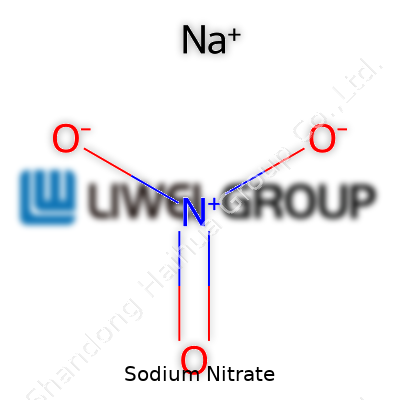
Out of all the white, grainy powders lining a chemist’s shelf, sodium nitrate (sometimes nicknamed Chile saltpeter or soda niter) stands out for its jumpy reactivity and role in daily life. Formula: NaNO3. To the naked eye, it looks like table salt. It dissolves in water incredibly well, and I’ve seen it melt without fuss at just over 300°C. This high solubility and stability let it slip into countless industries without much effort, from fertilizers to food preservation. It smells faintly salty, a little earthy. Industrial-grade sodium nitrate often ends up in a plastic drum with hazard labels warning about its oxidizing punch—you don’t want to mix it with anything that burns, because it’ll feed the fire.
Lining Up the Details: Properties and Specs
Pure sodium nitrate shows a density around 2.26 g/cm³, and its melting point rests above 308°C. It carries a bitter, saline taste, and almost always appears as transparent crystals or a white powder. Its water absorption skills mean it clumps in humid air—a trait any bulk-handling worker will curse after every spill. Technical standards keep tight limits on impurities like chlorides and heavy metals, especially in food applications. I saw for myself in lab audits how color tests and titrations guard against contamination. Labeling follows rigorous national standards for both safety and transport, not only because of toxicity but due to the compound’s tendency to feed combustion in warehouses and on trucks.
From Ore to Bag: How Sodium Nitrate Gets Made
Early in its story, sodium nitrate came straight from the ground, dug up as ‘caliche’ ore in Chile and refined by leaching hot water through the rock. Over time, synthetic routes grew: chemists worked out how to react sodium carbonate with nitric acid, leaving behind sodium nitrate and releasing just enough carbon dioxide to fizz a factory’s air. Refineries now dial in temperature, concentration, and pH tightly, generating sodium nitrate as a crystalline batch that’s dried, milled, and sifted by size. Every step along the chain—from dissolving to crystallizing—throws hazards into the mix, demanding closed-loop processing and fast cleanup. I’ve spoken with chemical engineers who measure every stage by conductivity, density, and even sound, to squeeze efficiency from old and new facilities alike.
Change Makers: Reactions and Tweaks
What grabbed my attention in university labs was how sodium nitrate twirls through chemical reactions. Toss it into a fire, and it’s a potent oxidizer. Drop it in acidic water, and it’ll lay down nitric acid, a strong pick for etching or cleaning. Chemists across the globe swap its sodium for potassium or mix it with ammonium compounds, forming fireworks, explosives, curing salts, or rocket propellants. Small tweaks—running the reaction at a misshaped temperature, for instance—can swing purity or crystal habit. These little tweaks matter: pure nitrates for pharma require testing down to trace metal content; fertilizer-grade runs cheaper and rougher.
Synonyms and Street Names
The label “sodium nitrate” means different things on different continents. In fertilizer catalogs, it emerges as ‘Chilean saltpeter’. Food technologists call it E251. In old chemistry books, you’ll sometimes see “niter” or “nitrate of soda.” In shipping and customs paperwork, only the IUPAC name survives. I’ve stood in storerooms where every bag reads something a little different in giant block print, depending on what it’s destined for—farmland, curing room, or explosives plant. The tangle of names keeps warehouse managers and customs inspectors guessing.
Walking the Line: Safety, Hazards, and Handling
Anyone who has worked with sodium nitrate knows its upsides come with real risks. Oxidizers demand respect—mix sodium nitrate with sawdust, sugar, or oily rag piles and the result is roaring flames. Practically every safety poster on the wall shouts about dry, cool storage, PPE, and keeping incompatible stuff far apart. Breathing dust can irritate the nose or lungs, so masks go on before the drum lids come off. Lab tales teach you about runaway reactions—especially paired with fuels or acids. You get gloves, goggles, and MSDS sheets as a routine, because localized fires and health exposures keep insurers and regulators alert. Over the past decade, regulations tightened, especially in ports and transport warehouses, to choke off the risk of accidental ignition.
Where the Action Happens: Application Areas
Fertilizer was where sodium nitrate earned its keep, especially for fast-spreading leafy greens and beets—gardeners love a dash for the quick shot of nitrogen, and in my own backyard, the results on spinach were hard to ignore. Meat packers relied on it to cure sausages, lending that familiar pink hue and blocking dangerous bacteria. Glassblowers fused it into cleaner melts, pyrotechnicians packed it into sparklers and fountains, and chemists built it into heat transfer salts for solar energy plants. Miners, arms makers, and even pharmaceuticals keep it on the roster. With so many uses, supply chains stay tangled and regulation keeps tightening, year by year.
Digging Deeper: Current Research and Breakthroughs
In the world of research, sodium nitrate refuses to stand still. Scientists dig into new catalysts and explore nitrate as a renewable nitrogen source. I’ve talked with battery developers experimenting with nitrate-infused electrolytes for higher voltage stability, solar engineers using nitrate salts in molten state as thermal energy storage, and even biotechnologists probing nitrate’s effects on plant nutrient cycles. The complexity and cost of removing trace heavy metals from the mined sodium nitrate drives work into cleaner, more sustainable synthesis methods. Environmental scientists have pushed governments to fund studies on nitrate runoff, soil retention, and impacts on water ecosystems. The conversation blurs boundaries between chemistry, biology, and environmental science.
Facing Toxicity: What the Data Tell Us
Nitrate compounds show up in food and water everywhere, and worries about health effects pack long-standing debates. There’s evidence linking high nitrate intake with methemoglobinemia—especially for infants—where red blood cells lose the knack for carrying oxygen. Health agencies set clear limits for sodium nitrate in cured foods and in drinking water, aiming to calm fears of chronic exposure. Lab animals exposed to high, sustained doses ran into blood disorders or organ damage; questions linger about cancer risk because nitrate can convert into nitrosamines under certain gut conditions. I’m no stranger to the public health side—community groups and water inspectors measure nitrate levels with steady regularity, knowing that the cost of getting it wrong compounds over time. Risk lies in quantity and exposure, which means both workers and consumers depend on clear labeling and good enforcement.
Looking Ahead: The Road for Sodium Nitrate
Sodium nitrate has survived waves of boom and bust, not only in agriculture but in every industry that touches nitrogen cycles. Fertilizer use declines in places with cheap ammonia, yet interest in cleaner extraction and low-impact agriculture gives sodium nitrate a path to reinvention. As nutrient pollution debates heat up, and governments focus on water quality, pressure builds for less runoff and more recycling. In energy research, nitrate’s future gleams in molten salt batteries and grid storage, where its thermal resilience matters more than ever. Food science keeps a cautious eye on processed meats, debating risk while seeking new preservation chemistries. The chemical’s story blends old-world conflict, modern manufacturing, and high-tech dreams—and each new discovery challenges the world to balance need and caution with every white crystal that hits the scale.
The Many Faces of Sodium Nitrate
Sodium nitrate pops up in places most people wouldn’t expect. People often hear the name in connection with cured meats, and there’s usually a sense of worry tied to its use in food. This makes sense—food safety matters. But in my experience, the story goes way beyond lunch meats. Sodium nitrate carries a weighty past and a mixed present, shaping much more than what ends up on your dinner plate.
Preserving Food and Fueling History
The most familiar use, for folks in the kitchen, is as a food preservative. Sodium nitrate gives cured meats their pink color and keeps bacteria at bay, especially Clostridium botulinum, which causes botulism. Food scientists have leaned on it for generations. Bacon, salami, and ham in your fridge? Most likely, sodium nitrate’s done some heavy lifting to keep them fresh. Still, I learned that the real controversy isn’t so much about the compound itself. Concerns come up due to how nitrates convert in the body under certain conditions, potentially creating nitrosamines. Scientists have gone back and forth on the health risks, with regulations and limits to keep intake in check. The FDA restricts how much can go into processed meats, and activists push meat companies to label nitrate use clearly.
Sodium Nitrate on the Job: Fertilizers and Beyond
Growing up in a rural community, I watched farmers spread fertilizer on their fields each spring. As someone who lugged his fair share of bags, I got curious about what was actually in them. Sodium nitrate plays a role here too. It delivers nitrogen to crops, especially where other sources don’t suit the soil. Nitrogen remains a key nutrient for plants, pushing their growth and raising yields. This doesn’t come without problems, though. Using too much nitrate fertilizer threatens water supplies and rivers because runoff fuels algae blooms. These blooms choke off oxygen in water and can poison fish and other animals. Environmental agencies push for responsible use, yet nitrates still end up in groundwater, a clear signal that better management matters.
Industry’s Dependence on a Simple Salt
Factories and mines rely on sodium nitrate for jobs you won’t see at the grocery store. Civil engineers rely on it for explosives. I once toured a quarry that used sodium nitrate to break up rock. Companies mix it with fuel oil to create a blasting agent that clears tunnels and moves earth. Chemical plants lean on sodium nitrate for oxidation processes, helping to craft dyes, glass, and ceramics. Fireworks blaze high over town on holiday weekends, and there’s sodium nitrate in the spark that sets them off. This material fuels advances and entertainment alike.
Facing the Hidden Costs
Sodium nitrate’s usefulness spans industries, but there’s a catch. Overreliance on chemical solutions, from food to fields to factories, brings environmental and health headaches. Solutions exist, but they take effort. Precision agriculture tools help farmers use only what crops need. Innovators in the food world offer nitrate-free curing techniques. Regulators demand tight rules around handling and waste. These fixes feel personal to me, since I’ve tasted and seen both progress and mess firsthand. As the world grows, rethinking chemical habits can cut risk without losing the benefits this unsung compound brings.
The Real Story Behind That Familiar Food Additive
Anyone who eats deli meats or enjoys a slice of bacon has probably met sodium nitrate. It shows up in sausages, jerky, and a lot of the packaged meats grabbing attention at grocery stores. Much of this has to do with its ability to keep food from spoiling and giving that cured pink color people expect. But questions never seem to stop about whether eating sodium nitrate actually does harm.
From my own kitchen and family table, it’s easy to see how people want food to last without turning dangerous. Fresh meat just doesn't sit on shelves very long. Adding sodium nitrate blocks bacteria from growing—specifically the kind causing botulism, a rare but deadly illness. The Centers for Disease Control and Prevention lists foodborne botulism as a serious threat, especially in improperly canned or processed items. Nobody wants to take those chances, and sodium nitrate reduces this risk.
On the other hand, concerns about nitrates and nitrites have grown louder over the last several decades. Researchers have found links between high intake of processed meats and a greater chance of certain cancers, especially colorectal cancer. The debate heats up over whether sodium nitrate itself causes cancer or if something happens in our bodies after eating it. It turns out, once nitrates hit stomach acid, they can turn into nitrosamines. These nitrosamines are recognized carcinogens in animal studies—something experts don’t ignore.
Average people aren’t only facing meat slicers and butcher shops. Green vegetables—like spinach, beets, and lettuce—actually contain more nitrates by weight than most deli cuts. Instead of getting scared off by salads, scientists found that vegetables carry beneficial nutrients and antioxidants that may offset any risks. A salad doesn’t act like a hot dog, and most doctors still say more vegetables beat almost every health problem.
Government rules exist to keep nitrate levels in foods below limits considered safe for most people. The U.S. Department of Agriculture and the Food and Drug Administration put restrictions in place. Even so, people looking to avoid unnecessary exposure can read ingredient lists or reach for products labeled “nitrate-free.” Cooks at home might pick fresh meats instead of cured or smoked items, not just for safety, but for flavor.
For families, one practical answer is mixing it up. Any food eaten in large amounts for years can end up causing harm—not just preservative-laden meats. This doesn’t mean every slice of pepperoni puts someone in danger, but balancing meals with fresh fruits, grains, vegetables, legumes, and lean proteins makes sense.
Food companies keep working on ways to reduce nitrite and nitrate use in meat. Celery juice powder sometimes takes their spot, though it still contains natural nitrates. More transparency from producers and clearer labeling laws can help people decide for themselves what lands in their grocery baskets.
Everyone searches for food that tastes good and keeps them healthy. It comes down to reading labels, building trust with brands, and not overdoing any one thing. Sodium nitrate’s story keeps changing as new research crops up. For now, a little knowledge and a lot of variety seem like the best recipe.
What Happens When Sodium Nitrate Joins Our Diet
Open the fridge and take a look at deli meats, hot dogs, and bacon. Most of the time, you’ll find sodium nitrate in the ingredients list. This compound keeps meat from spoiling, giving it a bright, appetizing color and stopping bad bacteria from growing. Yet, what preserves lunch meat doesn’t always preserve our well-being. It’s easy to rely on these products for a quick meal, but the health trade-off often goes unnoticed until issues crop up.
Linking Sodium Nitrate to Health Consequences
Researchers have known for decades that eating a lot of sodium nitrate doesn’t just affect gut health. It can reshape how your body handles blood flow. The chemical often shifts into nitrite and then into something called nitrosamines during high-heat cooking—think frying bacon or grilling sausages. These nitrosamines show up again and again in studies linked to an increased risk of cancer, especially in the stomach and colon. In 2015, the World Health Organization highlighted this problem and pointed to processed cold cuts as a direct cause of some cancers.
Sodium nitrate doesn’t just have a distant connection to long-term disease. Blood pressure can tick up as a reaction to high sodium content. Anyone living with hypertension can vouch for the headaches and extra doctor visits that come after a salty night of deli sandwiches. For kids and older adults, too much nitrate reduces the blood’s ability to carry oxygen. In rare cases, this leads to a rare blood condition called methemoglobinemia. Blue baby syndrome sounds like an old wives’ tale, but it remains a concern for infants who get too much nitrate from both food and water.
Personal Perspective: Real Life is About Small Choices
Growing up, a good Sunday often started with bacon and scrambled eggs. Years down the line, seeing close relatives fight high blood pressure brought me face-to-face with the downside of those frequent cured meats. Sometimes it’s tempting to brush off expert claims—no one wants to overhaul favorite recipes because of something on a label. Yet, health shifts aren’t just about numbers and risk charts; it’s about energy levels, doctor visits, and time enjoyed with family without sickness hanging overhead.
What Can We Do?
The solution doesn’t mean banning sodium nitrate from all food. Not everyone can afford or find fresh, preservative-free meat every week. What helps is paying attention to how often processed meats make it onto the plate. Swapping deli slices for roasted chicken, or reaching for vegetables more often, delivers real benefits without upending routines. Learning to read nutrition labels quickly, and supporting brands that limit preservative use, tips the balance a little. Doctors and dietitians agree: balance brings the most benefit.
Over time, small shifts—like packing a sandwich with last night’s roast instead of packaged ham—can sidestep some of the risks tied to sodium nitrate. Change never feels simple in the grocery aisle. But the real value comes from putting long-term health ahead of convenience, one sandwich at a time.
Understanding the Role of Sodium Nitrate
Sodium nitrate pops up in more places than most folks imagine. Farmers use it to boost soil nutrients, folks working in meat processing rely on it for curing and coloring, and high school chemistry labs keep it on hand for experiments involving gases and reactions. Years ago, you could find it in gardening supply shops or even through catalog orders without much fuss. Now, things have tightened up, and for good reason.
Why Controls Exist
Stories in the news highlight how common chemicals end up misused, which lands sodium nitrate under stricter government eyes. It’s a key ingredient for certain explosives, and misuse here brings real risk. Acts of violence fueled by DIY explosives pushed lawmakers to take these risks more seriously. Recent data from law enforcement shows spikes in attempts to buy large amounts without clear industrial applications. That’s made controls common across the United States, Europe, and other places.
How Do Professionals Buy Sodium Nitrate?
Licensed producers, scientific suppliers, or agricultural distributors handle most sales now. Businesses show proof of intent and credentials. An average person asking to buy sodium nitrate for the backyard garden runs into hurdles right away. Suppliers vet the buyer, look for permits, and request identification. Grocery or hardware stores rarely, if ever, carry it on open shelves anymore. I’ve tried to buy lab chemical supplies for science projects, and even with a teaching license, routine chemicals demand background checks and paperwork. This keeps tabs on purchases that could seem innocent but carry risks.
The Risks of Online Shopping
Type “sodium nitrate for sale” into a search engine and you’ll spot overseas sellers promising discreet shipping. That might lure folks seeking a shortcut. Here’s the problem—sellers from outside the country often skip regulations, so buyers could end up breaking the law, facing customs seizures, or even criminal charges. Some of these products get mislabeled, contain contaminants, or turn out to be the wrong substance altogether. Food safety authorities found multiple examples where industrial-grade sodium nitrate was listed as food grade, risking health for cost savings.
What Can Change?
No one wants red tape that blocks honest science or farm work, but safety matters too much. Smart regulations—background checks, sales logs, and verification—build accountability without killing off legitimate demand. Big-box chains stopped stocking chemicals like this because they don’t want legal headaches. If curers or farmers need it, they purchase through vetted suppliers after showing a real need.
There’s no open market for sodium nitrate for a reason, reflecting the way society balances safety and practicality. Instead of working around rules, the better choice is to support clear, science-based policies. Hard-earned lessons show that ease of purchase comes with real-world consequences. We all share the cost when dangerous substances fall into the wrong hands, so thoughtful regulation isn’t just red tape—it keeps communities safer.
Seeing Beyond the Label
Walk into any supply shop and the bag might be plain, but sodium nitrate stands out in the world of chemical storage. Historically, it helped farmers grow more food and gave pyrotechnics their flash. Today, storing it right still means looking beyond the basics printed on the sack. No one wants unnecessary risks sitting in their shed or shop. Families and workers all benefit from taking the details seriously.
Moisture: Hidden Enemy Number One
Water and sodium nitrate blend faster than most realize. The compound sucks moisture straight from the air and soon clumps, cake, even breaks apart its packaging. Once wet, nitrate attracts even more water, raising the odds of a slick chemical mess or even accelerated corrosion in whatever touches it. That always brings extra cleanup and lost dollars no matter how tight the schedule. A sealed, solid container with a gasket and secure lid turns a potential headache into just another day’s storage. Even if humidity in the room spikes, that extra layer helps the material stay dry and easy to handle.
A Cool Place Earns Its Keep
Heat ramps up chemical activity where sodium nitrate waits. Storing it away from steam pipes, direct sunlight, or furnace rooms keeps it stable. Even in smaller shops or home setups, a cool shelf beats the top rack by a window. That choice shows respect for the risks, but it also stretches the material’s shelf life. It’s tempting to tuck chemicals wherever they fit. The payoff for picking the cooler spot is less spoilage and better peace of mind.
Far from Flames, Fertilizers, and Food
Stories about nitrate mishaps didn’t sprout from rumors; accidents trace back to stacking bags beside flammables or ignoring spill potential. The oxidizing punch that makes sodium nitrate good for fertilizer or rocket engines also turns small ignition sources into real threats. It makes sense to separate it from fuels, solvents, and even certain metals. Label the area for what it holds, and warn anyone with access, especially if children are ever nearby. Food and feed need a separate space—a serious line between what gets mixed and what gets spread in the garden or field.
Don’t Guess; Follow Local Laws
Counties and cities treat chemical storage based on local weather, building codes, and risk. Some places demand a permit, others call for a special shed. It’s smart to read up on the rules before picking a spot. Some communities support safe storage by offering resources, even discounts on lockable bins. Look at accident reports—clear labeling and sturdy containers help avoid mix-ups. The paper trail might bore some, but safety rewards show up in the stories that never get told: fires prevented, accidental exposure averted, and neighbors kept safe.
Better Storage, Fewer Regrets
None of this advice takes the place of real caution. Gloves, goggles, and hand washing add more than a barrier; they show respect for the work and for the people who share the same roof or job site. Stains from improper storage linger on shelves and in reputation. Keeping sodium nitrate in a sealed bin, in a cool and dry area, and far from ignition sources or foods, offers a quiet reward: less risk, less waste, and more trust in day-to-day tasks.